
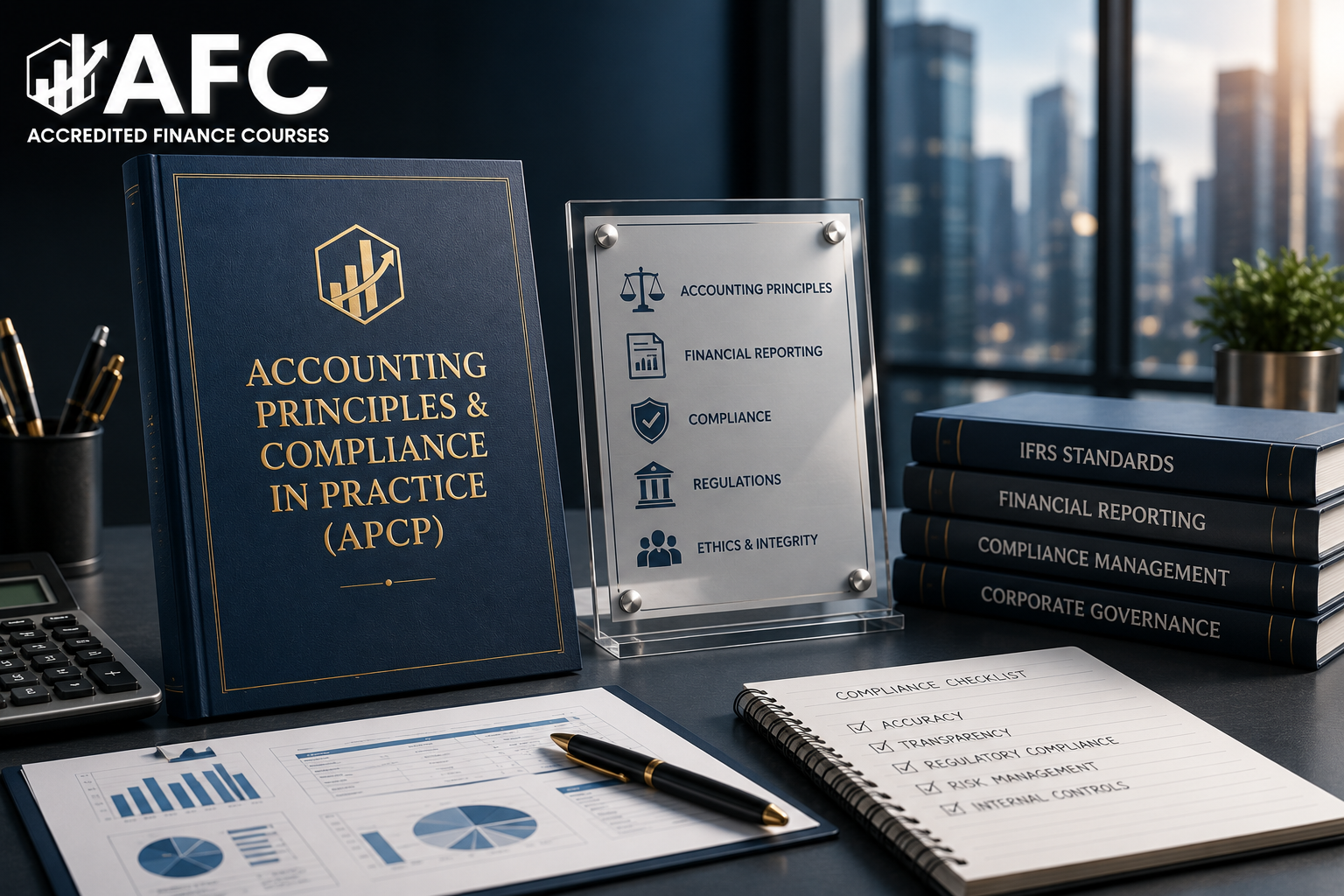
Accounting is often described as the language of business because every financial decision, business transaction, and organisational strategy relies on accurate financial information. Whether a company is a multinational corporation, a small business, a government institution, or a non-profit organisation, sound accounting practices form the foundation of financial stability and business success.
However, modern accounting extends far beyond recording transactions and preparing financial statements. Today's accounting professionals must also understand regulatory compliance, financial reporting standards, internal controls, risk management, and ethical responsibilities. Businesses operate in an increasingly regulated environment where financial transparency and compliance have become essential for maintaining investor confidence, meeting legal obligations, and supporting sustainable growth.
As organisations continue to strengthen their governance frameworks, employers are actively seeking professionals with specialist knowledge in accounting principles and compliance. This growing demand has made Accounting Principles & Compliance in Practice (APCP) an increasingly valuable qualification for finance professionals who wish to build expertise in financial reporting, regulatory compliance, and professional accounting practices.
Whether you are a graduate entering the finance industry, an accountant seeking professional development, or a business professional looking to strengthen your financial knowledge, earning an accounting certification can significantly improve your technical skills and career prospects.
Choosing the right learning provider is equally important. A quality programme should combine theoretical understanding with practical application, enabling learners to confidently apply accounting principles within real business environments. Accredited Finance Courses supports finance professionals by delivering industry-focused education designed to reflect current accounting practices and employer expectations.
In this comprehensive guide, you will learn everything you need to know about Accounting Principles & Compliance in Practice (APCP), including its purpose, essential accounting concepts, regulatory requirements, professional skills, and the growing importance of compliance within today's financial world.
👉 Official course bundle: https://www.accreditedfinancecourses.co.uk/home/bundle/Accounting-Principles-Compliance-in-Practice-APCP/5
What Are Accounting Principles & Compliance in Practice (APCP)?
Accounting Principles & Compliance in Practice (APCP) is a professional programme that focuses on developing practical knowledge of accounting principles, financial reporting, regulatory compliance, and ethical financial management. It equips learners with the skills needed to prepare accurate financial information while ensuring organisations comply with applicable accounting standards and legal requirements.
Modern accounting professionals are expected to do much more than maintain financial records. They play a critical role in helping organisations make informed business decisions, manage financial risks, ensure regulatory compliance, and maintain financial transparency.
A comprehensive accounting course introduces learners to the principles that govern financial reporting while developing an understanding of internal controls, accounting standards, financial compliance, corporate governance, and professional ethics.
The programme combines theoretical concepts with practical application, enabling learners to understand how accounting systems operate within real organisations and how compliance contributes to financial integrity.
Professionals who complete Accounting Principles & Compliance in Practice (APCP) are better prepared to support organisations in maintaining accurate financial records, complying with legal obligations, and producing reliable financial information for management, investors, regulators, and other stakeholders.
Why Accounting Principles and Compliance Matter in Modern Business
Every successful organisation depends on accurate financial information. Managers rely on accounting reports to make strategic decisions, investors use financial statements to evaluate business performance, regulators monitor compliance with financial legislation, and lenders assess financial stability before providing funding.
Without consistent accounting principles and effective compliance procedures, organisations face increased financial risk, legal penalties, reputational damage, and reduced stakeholder confidence.
Several factors explain why accounting principles have become more important than ever.
Transparent financial reporting enables investors, shareholders, lenders, and regulatory authorities to understand an organisation's financial position accurately.
Following recognised accounting standards ensures financial information is presented consistently, allowing stakeholders to compare organisational performance across different reporting periods and industries.
Governments and financial regulators require organisations to comply with established accounting regulations and financial reporting requirements.
Professionals with expertise in accounting compliance help organisations meet these obligations while reducing the risk of financial penalties, regulatory investigations, and reputational harm.
Reliable accounting information supports informed decision-making across every area of business.
Management teams use financial reports to evaluate profitability, control costs, manage cash flow, plan investments, and identify future growth opportunities.
Accurate accounting information enables organisations to make strategic decisions based on reliable financial evidence rather than assumptions.
Investors, lenders, suppliers, customers, and employees all rely on trustworthy financial information.
Strong financial reporting supported by recognised financial reporting standards increases confidence among stakeholders while demonstrating responsible corporate governance.
Understanding the Fundamental Accounting Principles
Every accounting system is built upon a number of widely accepted accounting principles that guide how financial information is recorded, measured, and reported.
Understanding these principles forms the foundation of professional accounting practice.
The accrual principle requires organisations to recognise income and expenses when they are earned or incurred rather than when cash is received or paid.
This principle provides a more accurate representation of business performance by matching revenues with related expenses.
It remains one of the most important concepts within corporate accounting and financial reporting.
Financial information should be prepared using consistent accounting methods from one reporting period to another.
Consistency allows investors and other stakeholders to compare financial performance over time without distortion caused by changing accounting policies.
The prudence principle encourages accountants to exercise caution when making financial estimates or recognising uncertain income.
Potential losses should be recognised promptly, while uncertain gains should not be recorded until they are reasonably certain.
This approach promotes conservative and reliable financial reporting.
Financial statements are normally prepared on the assumption that an organisation will continue operating for the foreseeable future.
This assumption influences asset valuation, depreciation policies, and financial reporting decisions.
Materiality requires organisations to report financial information that could influence decisions made by users of financial statements.
Small or insignificant items may be treated differently from material transactions that have a significant impact on financial reporting.
Understanding these principles enables accounting professionals to prepare financial statements that are both accurate and compliant with recognised standards.
The Growing Importance of Financial Compliance
Compliance has become one of the most important responsibilities within modern accounting.
Organisations operate within increasingly complex regulatory environments that require strict adherence to accounting standards, taxation rules, financial reporting requirements, anti-money laundering regulations, and corporate governance frameworks.
Failure to maintain compliance can result in significant consequences, including financial penalties, legal action, damaged reputation, and reduced investor confidence.
Professionals responsible for financial compliance play an essential role in protecting organisations from these risks.
Their responsibilities often include:
Monitoring compliance with accounting regulations.
Maintaining accurate financial records.
Supporting external and internal audits.
Implementing internal control procedures.
Preparing regulatory reports.
Ensuring ethical financial practices.
Supporting risk management activities.
Maintaining documentation for regulatory review.
As regulatory requirements continue to evolve, organisations increasingly seek professionals who understand both accounting principles and compliance management.
A recognised Accounting Principles & Compliance in Practice (APCP) programme helps learners develop this specialist expertise while preparing them for responsible financial decision-making within modern organisations.
Modern employers expect accounting professionals to possess far more than technical bookkeeping skills. They seek individuals who understand financial reporting, compliance management, regulatory requirements, internal controls, and business decision-making. A strong understanding of these areas enables professionals to support organisational growth while maintaining financial integrity.
A comprehensive Accounting Principles & Compliance in Practice (APCP) programme develops practical competencies that can be applied across businesses of every size, from start-ups and SMEs to multinational corporations and public sector organisations.
Financial reporting is one of the most important responsibilities of accounting professionals. Organisations rely on accurate reports to communicate their financial performance to shareholders, investors, lenders, regulators, and management.
Learners develop an understanding of how financial statements are prepared, interpreted, and presented in accordance with recognised accounting standards. They also learn the importance of consistency, transparency, and accuracy when preparing financial reports.
Strong financial reporting skills enable professionals to produce meaningful financial information that supports informed business decisions.
Compliance Management
Every organisation operates within legal and regulatory frameworks that govern financial reporting and accounting practices. Compliance management ensures that businesses follow these requirements while reducing legal and financial risks.
Through Accounting Principles & Compliance in Practice (APCP), learners understand how organisations establish compliance procedures, monitor regulatory changes, maintain documentation, and support internal and external audits.
Knowledge of compliance management is increasingly valuable as businesses face stricter reporting obligations and greater regulatory scrutiny.
Internal Controls
Internal controls are policies and procedures designed to safeguard organisational assets, prevent fraud, improve operational efficiency, and ensure the accuracy of financial information.
Professionals learn how effective internal control systems reduce financial risks while supporting compliance with accounting regulations.
Topics commonly include:
Segregation of duties
Approval procedures
Financial reconciliations
Documentation standards
Fraud prevention measures
Risk monitoring
Strong internal controls contribute to better financial governance and help organisations maintain stakeholder confidence.
H3: IFRS Accounting and Financial Standards
Many organisations prepare financial statements using internationally recognised accounting frameworks.
Understanding IFRS accounting helps professionals interpret financial information consistently while supporting transparency across international markets.
Learners explore the principles behind financial reporting standards and understand how consistent reporting improves comparability, accountability, and investor confidence.
This knowledge is particularly valuable for professionals working within multinational organisations or businesses operating across multiple jurisdictions.
Ethical Accounting Practices
Ethics remain fundamental to every accounting profession.
Accounting professionals are responsible for managing sensitive financial information and ensuring that financial reports accurately represent an organisation's performance.
Throughout Accounting Principles & Compliance in Practice (APCP), learners develop an understanding of:
Professional integrity
Confidentiality
Objectivity
Transparency
Accountability
Ethical decision-making
Maintaining these standards strengthens public trust and supports long-term organisational success.
Who Should Study Accounting Principles & Compliance in Practice (APCP)?
One of the key strengths of Accounting Principles & Compliance in Practice (APCP) is its relevance across multiple industries and professional roles. Whether you are beginning your career or expanding your existing expertise, the qualification provides practical knowledge that supports long-term professional development.
Graduates in accounting, finance, economics, or business management can strengthen their professional knowledge by developing practical expertise in compliance, financial reporting, and accounting standards.
Completing an accounting certification demonstrates a commitment to continuous professional development while improving employability within competitive financial sectors.
Finance Professionals
Professionals already working within finance departments often seek specialist knowledge that extends beyond routine accounting responsibilities.
This programme supports individuals involved in budgeting, financial reporting, corporate finance, treasury management, and business analysis.
Internal Auditors
Internal auditors play an important role in evaluating financial controls, operational processes, and organisational compliance.
Understanding accounting compliance and regulatory requirements helps auditors identify weaknesses while supporting continuous organisational improvement.
Compliance Officers
Compliance professionals are responsible for ensuring organisations operate within applicable legal and regulatory frameworks.
Knowledge gained through Accounting Principles & Compliance in Practice (APCP) strengthens their understanding of financial regulations, governance requirements, and risk management practices.
H3: Business Owners and Entrepreneurs
Business owners benefit from understanding accounting principles because financial information supports every major business decision.
Knowledge of financial reporting, budgeting, cash flow management, taxation, and compliance enables entrepreneurs to manage their organisations more effectively while supporting sustainable business growth.
Career Opportunities After Completing Accounting Principles & Compliance in Practice (APCP)
The demand for professionals with strong accounting and compliance knowledge continues to grow across both private and public sectors.
Completing Accounting Principles & Compliance in Practice (APCP) can support career development within a wide range of finance-related roles.
Common career opportunities include:
Financial accountants prepare financial statements, maintain accounting records, and ensure compliance with recognised accounting standards.
Management Accountant
Management accountants analyse financial information to support budgeting, forecasting, cost control, and strategic decision-making.
Compliance Officer
Compliance officers monitor organisational adherence to accounting regulations, internal policies, and legal requirements while reducing operational risk.
Internal Auditor
Internal auditors evaluate financial controls, identify operational risks, and recommend improvements that strengthen organisational governance.
Financial Reporting Analyst
Professionals in this role prepare financial reports, analyse accounting data, and ensure reporting complies with recognised financial reporting frameworks.
Accounts Manager
Accounts managers oversee accounting operations, supervise finance teams, manage budgets, and ensure accurate financial reporting across an organisation.
Corporate Finance Executive
Corporate finance professionals support investment decisions, financial planning, budgeting, mergers, acquisitions, and organisational growth initiatives.
These opportunities exist across banking, manufacturing, healthcare, technology, retail, government organisations, professional services, education, and multinational corporations.
Why Continuous Learning Is Important in Accounting and Compliance
Accounting regulations, financial reporting standards, taxation rules, and compliance requirements continue to evolve.
Professionals who regularly update their knowledge remain better prepared to adapt to regulatory changes, technological innovation, and new reporting frameworks.
Continuous professional development supports:
Improved technical knowledge
Better regulatory awareness
Stronger career progression
Increased professional credibility
Greater confidence in financial decision-making
Enhanced organisational value
This is why many professionals continue expanding their knowledge through programmes offered by Accredited Finance Courses, helping them stay current with industry developments and best practices.
What Makes Accounting Principles & Compliance in Practice (APCP) Valuable?
The value of Accounting Principles & Compliance in Practice (APCP) lies in its practical relevance to today's financial environment.
Rather than focusing solely on theoretical accounting concepts, the programme develops knowledge that supports real organisational challenges, including:
Accurate financial reporting
Regulatory compliance
Corporate governance
Risk management
Ethical accounting
Financial decision-making
Internal controls
Professional accountability
These competencies remain essential across virtually every sector of the global economy, making accounting and compliance expertise one of the most transferable professional skill sets available.
Accurate accounting and effective compliance form the backbone of every successful organisation. As businesses continue to operate within increasingly complex regulatory environments, professionals who understand accounting principles, financial reporting, accounting compliance, and governance are becoming more valuable than ever.
Accounting Principles & Compliance in Practice (APCP) provides a strong foundation for understanding how financial information supports business success while ensuring organisations meet their legal and ethical responsibilities. From financial reporting and internal controls to IFRS accounting, compliance management, and corporate governance, the knowledge gained through this programme prepares learners for a wide range of professional opportunities.
Whether you are beginning your journey in finance or looking to strengthen your existing expertise, continuous learning is essential for long-term success. By delivering industry-relevant education that reflects modern accounting practices, Accredited Finance Courses supports professionals who want to develop practical skills, improve their career prospects, and contribute confidently to today's evolving financial services and business environment.



0 comments