
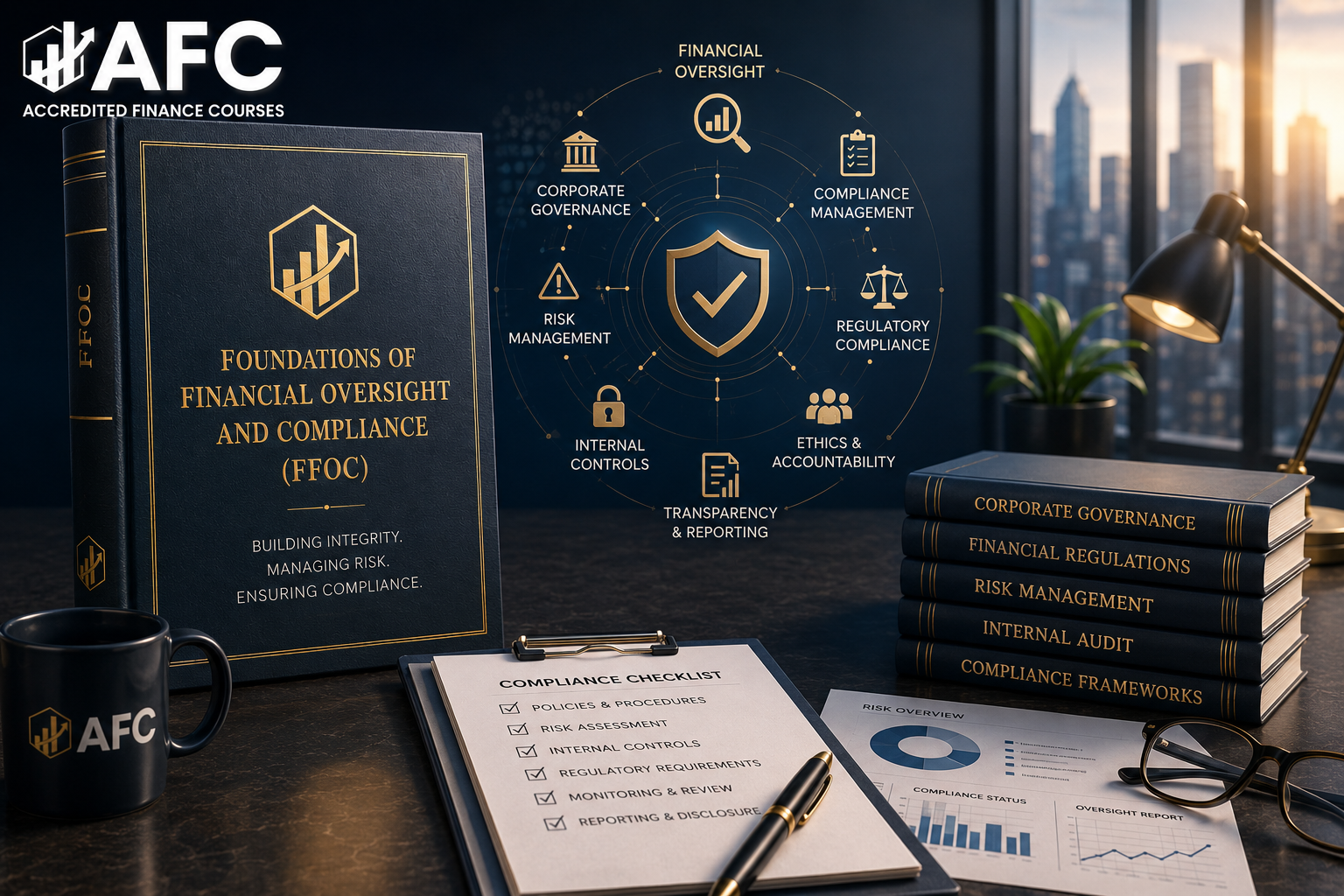
Strong financial oversight and effective compliance have become essential pillars of modern business. Organisations of every size, from multinational corporations to public institutions and small enterprises, operate within increasingly complex financial and regulatory environments. Stakeholders expect businesses to maintain accurate financial records, manage risks responsibly, comply with legal requirements, and demonstrate transparency in every aspect of financial management.
In today's global economy, financial oversight extends far beyond monitoring budgets and reviewing financial statements. It includes establishing internal controls, strengthening corporate governance, managing operational risks, preventing fraud, ensuring regulatory compliance, and maintaining accountability across the organisation. These responsibilities are critical for protecting assets, preserving stakeholder confidence, and supporting long-term organisational success.
As regulatory expectations continue to increase, employers are actively seeking professionals who understand governance, financial oversight, compliance management, and internal control systems. This growing demand has made Foundations of Financial Oversight and Compliance (FFOC) an increasingly valuable qualification for finance professionals, compliance specialists, auditors, risk managers, and business leaders.
Unlike traditional accounting or finance programmes that focus primarily on financial reporting, Foundations of Financial Oversight and Compliance (FFOC) introduces learners to the broader systems that help organisations manage financial integrity and regulatory responsibilities. It combines financial oversight, governance, compliance, risk management, and ethical business practices into a practical framework that reflects today's business environment.
Whether you are beginning a career in finance, expanding your professional knowledge, or preparing for governance and compliance responsibilities, developing expertise in financial oversight provides valuable skills that remain relevant across multiple industries.
Selecting the right learning provider is equally important. Accredited Finance Courses supports finance professionals by delivering industry-focused education designed to reflect current governance standards, regulatory developments, and modern compliance practices.
In this comprehensive guide, you will learn everything you need to know about Foundations of Financial Oversight and Compliance (FFOC), including its purpose, core principles, professional skills, career opportunities, and the growing importance of financial oversight within today's organisations.
👉 Official course bundle: https://www.accreditedfinancecourses.co.uk/home/bundle/Foundations-of-Financial-Oversight-and-Compliance-FFOC/2
What Is Foundations of Financial Oversight and Compliance (FFOC)?
Foundations of Financial Oversight and Compliance (FFOC) is a professional qualification that introduces learners to the principles of financial governance, compliance management, internal controls, regulatory oversight, and organisational accountability. It provides the knowledge needed to understand how businesses maintain financial integrity while complying with legal, regulatory, and ethical obligations.
Financial oversight refers to the systems, policies, and procedures that organisations use to monitor financial activities, manage risks, and ensure responsible use of financial resources. Compliance focuses on ensuring these activities follow applicable laws, financial regulations, organisational policies, and professional standards.
Together, these disciplines help organisations:
Maintain financial transparency.
Strengthen governance frameworks.
Reduce operational and financial risks.
Prevent fraud and financial misconduct.
Improve internal decision-making.
Build investor and stakeholder confidence.
Support sustainable business operations.
A comprehensive compliance certification develops practical understanding of how financial oversight supports organisational resilience while helping businesses operate responsibly in increasingly regulated markets.
Professionals who complete Foundations of Financial Oversight and Compliance (FFOC) gain valuable knowledge that can be applied across banking, financial services, insurance, government, healthcare, manufacturing, education, and multinational organisations.
Why Financial Oversight and Compliance Matter in Modern Organisations
Every organisation relies on accurate financial information and effective governance to make informed decisions. Without appropriate oversight and compliance procedures, businesses face greater exposure to fraud, financial errors, regulatory penalties, operational failures, and reputational damage.
As organisations continue to expand and regulatory expectations become more demanding, effective financial oversight has become an essential component of organisational success.
Several factors explain its growing importance.
Governments and regulatory authorities continue introducing new financial regulations designed to improve transparency, accountability, and consumer protection.
Professionals with knowledge of regulatory compliance help organisations understand these requirements while ensuring financial operations remain compliant.
Managing Organisational Risk
Every organisation faces financial, operational, legal, and strategic risks.
Strong financial risk management enables organisations to identify potential threats, implement preventive controls, and reduce the likelihood of financial losses.
Professionals responsible for financial oversight play an important role in monitoring these risks while supporting organisational resilience.
Strengthening Corporate Governance
Effective corporate governance promotes ethical leadership, responsible decision-making, transparency, and accountability throughout an organisation.
Financial oversight supports governance by ensuring financial information remains accurate while strengthening reporting processes and internal accountability.
Strong governance also improves investor confidence and organisational reputation.
Preventing Fraud and Financial Misconduct
Fraud prevention has become one of the most important objectives of financial oversight.
Well-designed oversight systems reduce opportunities for financial misconduct by implementing appropriate monitoring procedures, approval processes, documentation standards, and segregation of responsibilities.
These controls help protect organisational assets while maintaining public trust.
Why Professionals Choose Foundations of Financial Oversight and Compliance (FFOC)
Modern employers increasingly seek professionals who understand governance, compliance, and organisational risk alongside traditional financial knowledge.
Foundations of Financial Oversight and Compliance (FFOC) provides a broad understanding of how financial oversight contributes to responsible business management while supporting compliance with legal and regulatory obligations.
Professionals choose this qualification because it helps them:
Develop expertise in financial compliance.
Understand organisational governance.
Strengthen knowledge of internal controls.
Improve risk management capabilities.
Build regulatory awareness.
Support ethical business practices.
Enhance professional credibility.
Prepare for leadership responsibilities.
As organisations continue strengthening governance frameworks, professionals with expertise in financial oversight remain highly valued across multiple sectors.
Who Should Study Foundations of Financial Oversight and Compliance (FFOC)?
One of the key strengths of Foundations of Financial Oversight and Compliance (FFOC) is its relevance across a wide variety of professions.
The qualification supports both individuals entering financial services and experienced professionals seeking to strengthen their understanding of governance and compliance.
Graduates in finance, accounting, economics, business management, or related disciplines often pursue a recognised finance certification UK to strengthen their practical understanding of governance, compliance, and organisational oversight.
Compliance Professionals
Individuals working within compliance departments benefit from developing broader knowledge of financial oversight, governance, internal controls, and regulatory responsibilities.
Completing a recognised compliance officer course supports ongoing professional development while strengthening compliance capabilities.
Internal Auditors
Professionals involved in internal audit benefit from understanding governance frameworks, risk management systems, financial oversight, and compliance monitoring.
This knowledge supports more effective audit planning and organisational improvement.
Risk Management Professionals
Risk managers responsible for identifying and controlling organisational risks can strengthen their understanding of financial oversight while improving governance and compliance practices.
H3: Business Managers and Executives
Senior managers increasingly require knowledge of governance, compliance, financial oversight, and organisational accountability to support strategic decision-making and responsible leadership.
Understanding these principles enables leaders to strengthen organisational resilience while supporting sustainable growth.
Modern organisations require professionals who can balance financial knowledge with governance, compliance, and risk management expertise. The Foundations of Financial Oversight and Compliance (FFOC) develops practical competencies that help individuals contribute to stronger financial controls, regulatory compliance, and organisational accountability.
These skills are valuable across financial institutions, multinational corporations, government organisations, healthcare providers, educational institutions, and non-profit organisations.
Effective financial oversight involves monitoring financial activities to ensure resources are managed responsibly and organisational objectives are achieved.
Professionals learn how to review financial processes, monitor financial performance, evaluate financial controls, and identify areas requiring improvement.
Strong oversight helps organisations maintain financial integrity while supporting informed decision-making.
Compliance Management
Compliance management ensures organisations operate according to applicable laws, industry regulations, and internal policies.
Professionals develop knowledge of:
Regulatory monitoring
Compliance reporting
Policy implementation
Documentation requirements
Ethical standards
Organisational procedures
Strong compliance management helps reduce legal risks while improving operational efficiency.
Internal Controls
Internal controls are systems designed to protect organisational assets, reduce fraud, improve financial accuracy, and strengthen accountability.
A comprehensive understanding of internal controls includes:
Segregation of duties
Approval procedures
Financial reconciliations
Documentation controls
Access management
Monitoring activities
Effective internal controls support reliable financial reporting and stronger organisational governance.
Risk Management
Risk management helps organisations identify, evaluate, and manage financial and operational risks before they affect business performance.
Professionals gain knowledge of:
Financial risks
Operational risks
Compliance risks
Strategic risks
Fraud risks
Reputational risks
Understanding risk management enables organisations to develop proactive strategies that improve long-term stability.
Ethical Governance
Financial oversight requires professionals to maintain honesty, transparency, and accountability in every financial decision.
Ethical governance promotes responsible leadership while strengthening confidence among investors, regulators, employees, and customers.
Professionals learn the importance of integrity, confidentiality, objectivity, and professional responsibility when supporting organisational decision-making.
Why Choosing the Right Learning Provider Matters
Professional qualifications provide greater value when they reflect current industry practices rather than focusing solely on theory.
Before selecting a compliance certification, learners should consider:
Industry relevance
Practical learning outcomes
Experienced instructors
Current regulatory content
Flexible study options
Student support services
Career-focused curriculum
Ongoing professional development
Choosing a provider that regularly updates learning materials helps professionals remain prepared for changing governance standards and regulatory expectations.
Why Accredited Finance Courses Is the Preferred Provider
Choosing the right provider is an important step in professional development.
Accredited Finance Courses delivers finance education that reflects the changing needs of governance, compliance, and financial oversight professionals.
Financial regulations and governance standards continue evolving across global markets.
Accredited Finance Courses develops programmes that help learners understand modern compliance frameworks, financial oversight responsibilities, and organisational governance.
Flexible Professional Development
Flexible learning options enable professionals to continue studying while balancing work and personal commitments.
This approach supports continuous learning without interrupting career progression.
Career-Focused Education
Programmes delivered by Accredited Finance Courses are designed to strengthen practical understanding while supporting professional growth across compliance, internal audit, governance, banking, and financial services.
Foundations of Financial Oversight and Compliance (FFOC) Course Review
The Foundations of Financial Oversight and Compliance (FFOC) provides an excellent introduction to governance, financial oversight, compliance management, and organisational accountability.
Unlike qualifications that concentrate only on accounting or financial reporting, this programme develops broader knowledge of how organisations manage financial integrity while complying with regulatory obligations.
Key strengths include:
Comprehensive governance knowledge
Practical compliance awareness
Strong financial oversight principles
Internal control understanding
Risk management foundations
Regulatory compliance knowledge
Ethical leadership awareness
Wide career relevance
This balanced combination of technical and organisational knowledge makes the qualification valuable across many sectors.
What You Will Learn During Foundations of Financial Oversight and Compliance (FFOC)
Although programme structures may vary, learners generally develop knowledge across several core subject areas.
Understanding governance frameworks, accountability structures, organisational responsibilities, and financial transparency.
Regulatory Compliance
Learning how organisations comply with financial regulations, industry standards, and legal obligations while maintaining effective compliance programmes.
Internal Control Systems
Developing knowledge of organisational controls that reduce financial risk while supporting accurate financial reporting.
Risk Assessment
Understanding how financial and operational risks are identified, evaluated, monitored, and managed.
Internal Audit
Exploring how internal audit contributes to governance, organisational improvement, and effective oversight.
Professional Ethics
Developing ethical judgement, transparency, confidentiality, and responsible decision-making within financial management.
Career Opportunities After Completing Foundations of Financial Oversight and Compliance (FFOC)
Professionals with expertise in governance and compliance are increasingly sought after across both private and public sectors.
Career opportunities include:
Supporting organisations in maintaining regulatory compliance while monitoring policies and reporting obligations.
Internal Auditor
Evaluating financial controls, identifying organisational risks, and recommending operational improvements.
Risk Analyst
Assessing financial and operational risks while supporting strategic risk management initiatives.
Governance Officer
Helping organisations strengthen governance frameworks, accountability systems, and ethical business practices.
Financial Compliance Analyst
Monitoring financial reporting processes while ensuring compliance with financial regulations and internal policies.
Corporate Finance Administrator
Supporting financial reporting, governance procedures, budgeting, and organisational financial management.
These opportunities exist across banks, insurance companies, government agencies, healthcare organisations, educational institutions, multinational corporations, professional services firms, and regulatory authorities.
Future Demand for Governance and Compliance Professionals
Demand for governance and compliance expertise continues to increase as organisations operate within more complex regulatory environments.
Several trends are shaping future employment opportunities:
Stronger financial regulations.
Increased corporate governance expectations.
Growing regulatory reporting requirements.
Greater focus on fraud prevention.
Expansion of enterprise risk management.
Increased internal audit activities.
Digital compliance technologies.
Rising stakeholder expectations for transparency.
Professionals with expertise in Foundations of Financial Oversight and Compliance (FFOC) remain well positioned to support these evolving organisational needs.
Conclusion
Financial oversight and compliance have become fundamental components of responsible organisational management. Businesses today must maintain accurate financial reporting, comply with evolving regulations, manage operational risks, and demonstrate ethical leadership to build stakeholder confidence and achieve sustainable growth.
The Foundations of Financial Oversight and Compliance (FFOC) provides a comprehensive introduction to governance, financial compliance, financial oversight, risk management, internal controls, and regulatory responsibilities. By combining these disciplines, the qualification helps professionals understand how effective oversight contributes to organisational resilience, financial integrity, and informed decision-making.
Whether you are building a compliance career, pursuing a compliance certification, or strengthening your understanding of governance and financial oversight, developing expertise in these areas is increasingly valuable across today's global business environment.
Through industry-focused finance education, Accredited Finance Courses helps learners build practical knowledge, strengthen professional capabilities, and prepare for careers in compliance, governance, internal audit, risk management, and modern financial services.



0 comments